
Six-Pack in Summer
Marking the abdominal area is the goal of true fitness lovers. Of course, it requires effort, consistency, and determination. If you want to enjoy a magazine-cover physique this summer, you should start working toward your goal now. Building a defined six-pack takes time, regular exercise, and a balanced approach to fitness.
1. Jackknives / Razors for Six-Pack in Summer
This is one of the basic exercises for working the muscles in the core area. It requires coordination.
It consists of lying on your back and stretching your arms and legs upwards. The idea is to bring the fingertips toward the toes. With this exercise, you can work several areas of the body.
Benefits
- Improves balance
- Strengthens the abdominal muscles
- Works the legs
- Raises the heart rate
- Can be done in almost any space at home
- Uses a simple technique that becomes easier with practice
2. Reverse Crunch
This exercise works the abdominal area by creating tension in the core muscles. It consists of lying face up on the floor. The legs move while the back remains partially supported on the ground.
The athlete should lift both legs. They can stretch them upwards and raise their hips to increase the tension. Alternatively, they can slightly bend their legs while raising them. Once the legs are elevated, the hips should lift gently.
In addition, the palms of the hands should remain on the ground to help with stability. However, the movement should be controlled by the core muscles rather than pushing with the hands.
Benefits
- Works the central muscles of the torso
- Can be performed with minimal strain when the movement is controlled
- Allows slight modifications to change the exercise intensity
- Does not require special equipment
- Can be done at home
- Helps develop core stability and balance
3. High Side Plank Crunch
The High Side Plank Crunch, also known as a side plank variation, can be tricky at first. However, once the technique is mastered, it helps work the lateral abdominal muscles.
Start by lying on the ground in a sideways position. Support your body with one arm while extending the other arm upwards.
Raise your hips so that your body forms a straight line. The supporting arm can remain straight or bend at the elbow, depending on which variation you choose.
Move up and down for ten repetitions, then change sides to exercise the other side of the torso. To get the most out of the exercise, perform 2–3 sets on each side.
Benefits
- Strengthens the core and oblique muscles
- Works the abdominal muscles
- Engages the shoulders and chest
- Strengthens the shoulders and arms
- Improves core stability
4. High Side Plank Twist
As its name indicates, this is a variation of the previously presented exercise. Instead of simply holding the side plank position, you rotate your upper body while keeping your hips stable and your supporting arm in position.
The free arm makes the movement by passing underneath the torso and then returning to the starting position. It is ideal for people who have already mastered the basic side plank technique.
Likewise, perform 2–3 sets of 10 repetitions on each side to make the exercise part of your core routine.
Benefits
- Strengthens the obliques and the entire core
- Engages the back muscles
- Works the arms and shoulders
- Helps strengthen the abdominal area
5. Plank / Iron
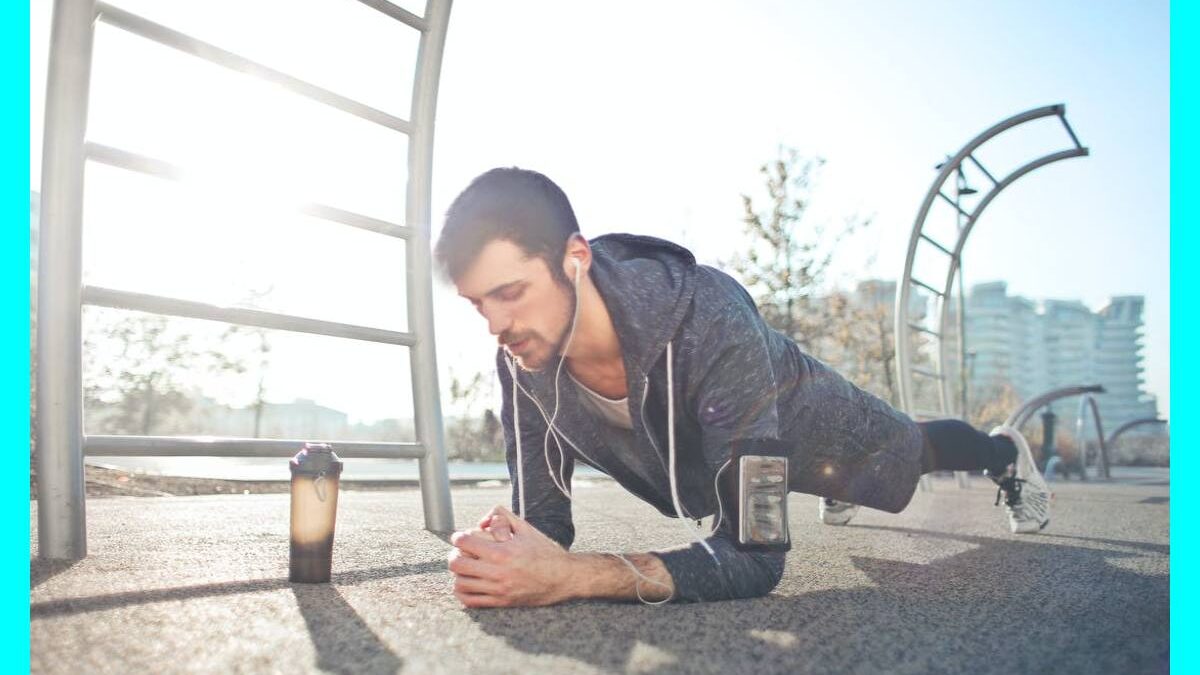
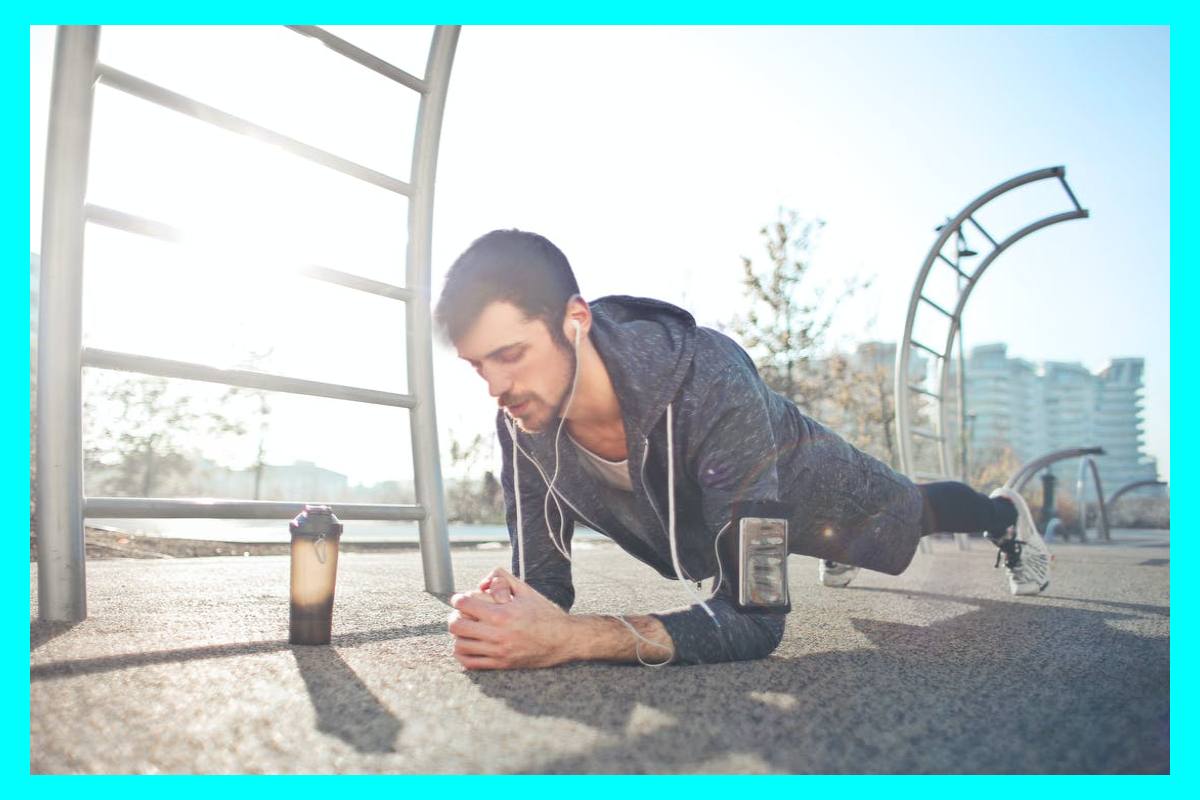
The plank is one of the most complete exercises for strengthening the core and working several body areas.
There are many varieties of planks, but the most basic version consists of lying face down on the floor. The feet should be positioned with the toes touching the ground. Meanwhile, the body should be supported by the forearms or hands, depending on the variation. Maintain this position for around 30 seconds while keeping the body straight.
Of course, you can increase the holding time as the exercise becomes easier. In the same way, other plank variations can be incorporated, such as raising one leg while maintaining core tension.
If you want to explore more bodyweight movements, you can also learn about calisthenics, its benefits, and exercises. These exercises can complement a core workout without requiring gym machines.
Benefits
- Burns calories as part of an active workout
- Works several muscle groups, including the glutes, transverse abdominis, rectus abdominis, and obliques
- Strengthens muscles and supports joint stability
- Improves stability and balance
- Does not require special machines
- Can be done at home
Tips for Building a Stronger Six-Pack
Remember that abdominal exercises strengthen the core, but they do not specifically burn fat from the stomach. A balanced diet, regular physical activity, sufficient recovery, and a consistent exercise routine all contribute to improving overall fitness.
It is also important to use the correct technique and avoid pushing through pain. If you experience shoulder discomfort during planks or other exercises, review your form and consider appropriate exercises that may help reduce shoulder pain.
Muscle development is also influenced by recovery, nutrition, and hormones. Understanding the relationship between muscle mass and hormones can help you better understand the factors involved in building and maintaining muscle.
Conclusion
Building a defined six-pack requires consistency, patience, and a well-rounded fitness routine. Exercises such as jackknives, reverse crunches, side plank variations, and planks can strengthen the abdominal muscles and improve core stability. Combine them with balanced nutrition, regular activity, and enough recovery to support your fitness goals.