
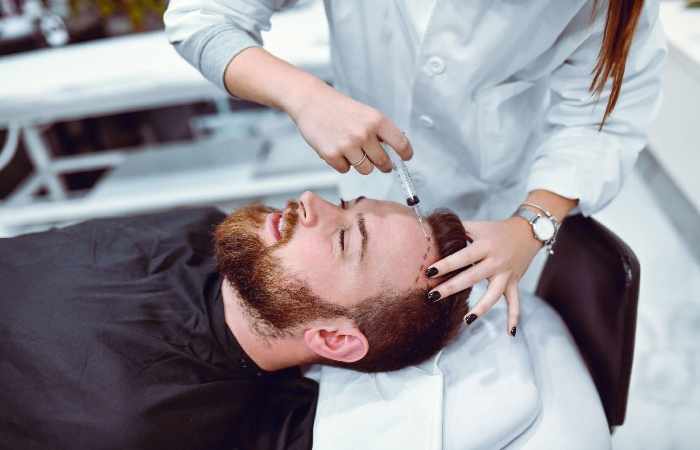
 Hair Transplant Write For Us: A hair transplant is a surgical process to treat hair loss or thinning hair. It involves transplanting hair sacs from one area of the body, typically the back or sides of the scalp (known as the donor area), to the bald or thinning regions (known as the recipient area).
Explore Beauty & Lifestyle Write For Us Topics
Key Points to Know about Hair Transplant
Types of Hair Transplant
- Follicular Unit Transplantation (FUT): Also known as the “strip method,” FUT involves removing a strip of skin from the donor area, dissecting it into individual hair follicles under a microscope, and then transplanting them into the recipient area. The donor area is then closed with sutures or staples.
- Follicular Unit Extraction (FUE): FUE involves extracting hair glands from the donor area using a small punch tool or a robotic system. The strands then transplant into the recipient area. FUE leaves small, dot-like scars rather than a linear scar like FUT.
Candidate Suitability
Hair transplant candidates are typically individuals experiencing pattern baldness (androgenetic alopecia) or those with thinning hair in specific areas. The suitability for a hair transplant depends on the extent of hair loss, donor hair availability, hair density, age, overall health, and realistic expectations. A consultation with a hair transplant specialist is necessary to determine candidacy.
Procedure Process
- Donor Area Preparation: In FUT, the surgeon removes a strip of skin from the donor area, while in FUE, individual follicles extract. Local anesthesia administers to minimize discomfort.
- Follicle Preparation: The harvested hair follicles are carefully dissected and prepared for transplantation.
- Recipient Area Transplantation: The surgeon creates tiny incisions or recipient sites in the bald or thinning area, and the prepared hair follicles implant into these sites.
- Recovery and Healing: After the procedure, the scalp may have some redness, swelling, and scabbing, which typically subside within a few days to a week. Transplanted hair usually sheds within a few weeks but will gradually regrow within a few months.
Post-Transplant Care
Following a hair transplant, it is essential to follow the specific post-operative instructions the surgeon provides. It may include gentle washing and care of the transplanted area, avoiding strenuous activities, protecting the scalp from sun exposure, and taking prescribed medications.
Results and Expectations
Hair transplant results are not immediate. It takes time for the transplanted hair follicles to establish a new blood supply and grow. Typically, new hair growth starts within a few months, and noticeable improvement sees after 6 to 12 months. The final results may take up to a year or more to fully manifest. The success and aesthetic outcome of the transplant can vary depending on various issues, including the surgeon’s skill, the quality of the donor’s hair, and individual healing processes.
Risks and Considerations
A hair transplant is usually a safe procedure, but it carries potential risks and considerations like any surgery. These can include infection, bleeding, scarring, numbness, unnatural-looking results, and the possibility of needing additional procedures in the future. It’s important to discuss these risks with the surgeon during the consultation.
Alternatives and Non-Surgical Options
A hair transplant is a surgical solution for hair loss. However, non-surgical options are available, such as medications (e.g., minoxidil, finasteride), laser therapy, micro scalp pigmentation, and hairpieces or wigs. These alternatives should discuss with a healthcare professional to determine the most suitable approach based on the individual.
How do I Submit a Guest Post?
Once your article meets our guidelines, you can send it to contact@glamourgenix.com. We are happy to hear from them.
After submission, our group will review it, check if the content is unique, and approve it.
1. Why Write for Us? – GlamourGenix
- GlamourGenix is a guest blogging platform that welcomes passionate writers with excellent writing skills to contribute articles.
- We provide opportunities for writers to share their knowledge and expertise with our audience.
- We welcome guest posts, sponsored posts, and regular article contributions.
- Guest bloggers are always welcome at GlamourGenix.
- We provide helpful information about guest posting opportunities, requirements, and submission procedures.
- Explore our guest posting guidelines to understand our content requirements.
- Learn how to submit your guest post and contribute to GlamourGenix.
2. Guidelines for Article Writing – GlamourGenix
- Your article must be 100% free of plagiarism and can only be published on our blog.
- The content should be unique, original, and valuable to our audience.
- Your article can be between 600 and 2,000 words.
- Remove any spelling or grammatical errors.
- The article must be clear and divided into sections using H1, H2, and H3 headings with essential subtitles.
- Submit your article in an MS Word or Google Docs document as an email attachment.
- Be open to accepting improvements and changes suggested by our editors.