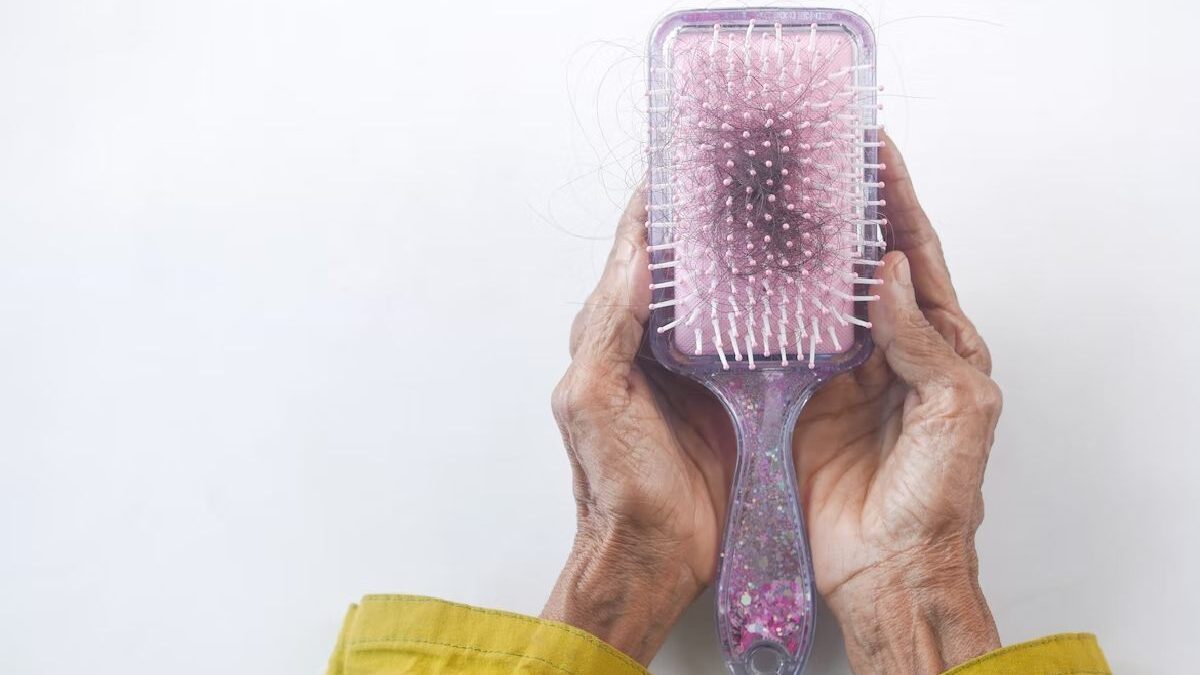

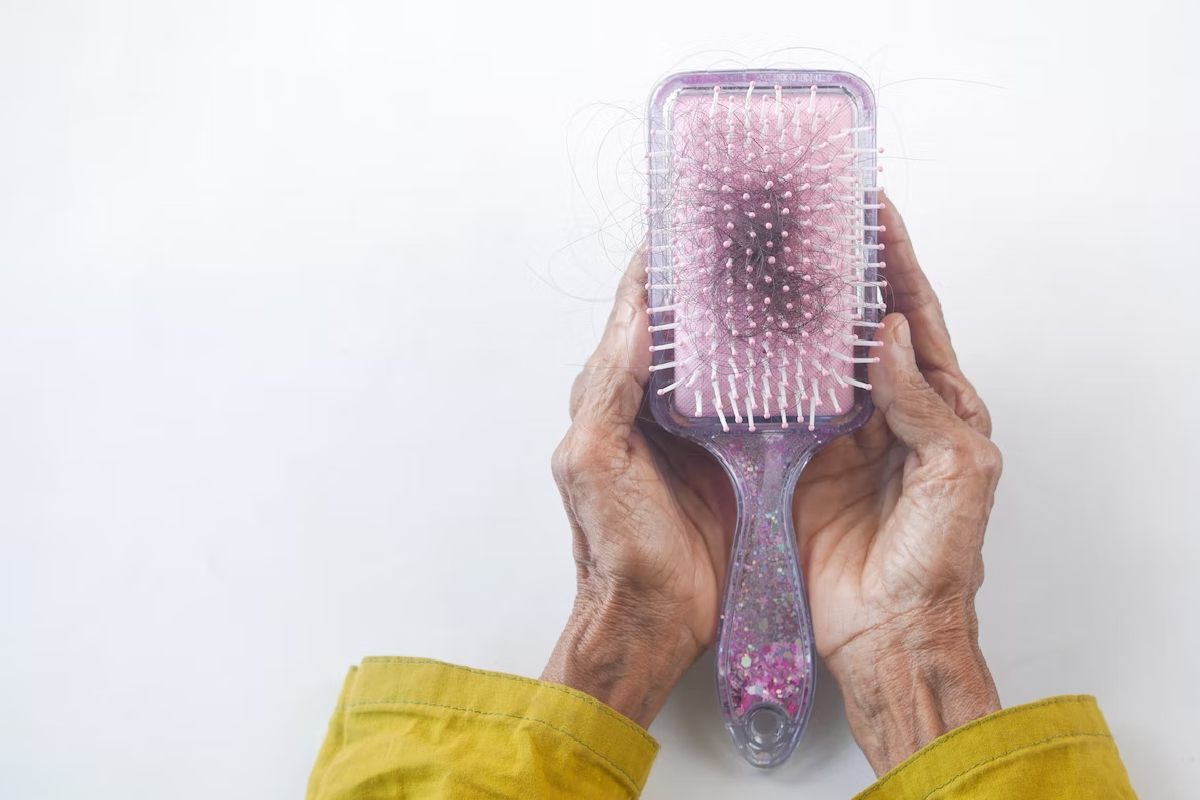
TIPS TO STOP HAIR LOSS
“Is hair loss a symptom of Covid?” The answer is no. The truth is that if you are suffering from hair loss, there is a high probability that the stress accompanying the global pandemic is the cause. Stress is one of the factors associated with hair loss, along with genetics and other health-related causes.
HAIR LIFE CYCLE
Hair has a three-phase life cycle:
- Anagen is the period of hair growth; this phase, if the hair is in good condition, can last from 2 to 6 years. When the hair falls a lot, it may be because this phase is shorter. To understand more about hair growth, learn how many hairs we have on our heads.
- Catagen is a transition period that lasts two to three weeks. In this phase, hair growth stops; it is a resting phase.
- Telogen is the last phase of the life of the hair; loss or shedding occurs.
CAUSES OF HAIR LOSS
- The most frequent causes include lifestyle, stress, and seasonal changes such as spring and autumn. Physiological factors such as menopause or postpartum changes can also influence hair shedding. In addition, thyroid disorders, diabetes, and other health conditions may contribute. During seasonal changes, following these hair care tips for autumn can help you maintain a consistent hair-care routine.
- Another cause can be the use of medications; some medicines may contribute to hair loss. Never stop prescribed medication without consulting your doctor.
- Medications that may be associated with hair loss include albendazole, allopurinol, amiodarone, androgens, anticoagulants, oral contraceptives, amphetamines, valproic acid, antithyroids, bezafibrates, bromocriptine, captopril, carbamazepine, cytostatics, colchicine, fenofibrates, fluoxetine, gentamicin, ibuprofen, indomethacin, interferons, isoniazid, levodopa, lithium, mesalazine, methyldopa, methysergide, metoprolol, nadolol, and retinoids. The risk depends on the medicine and individual circumstances, so seek medical advice if you notice unusual shedding.
TYPES OF ALOPECIA
Alopecia can be irreversible (or scarring); this means that the hair follicle (the duct through which hair grows) is destroyed. It can occur with burns, tumours, infections, and scars.
B. Reversible alopecia is non-scarring. The hair follicle is temporarily altered. We can distinguish several subtypes of this type:
- Androgenic alopecia (AGA) is common in men and women.
- Telogen effluvium can be triggered by factors such as hormonal changes, restrictive diets, childbirth, illness, or certain treatments.
- Alopecia areata usually appears in patches.
- Traumatic alopecia can result from repeated tension or damage caused by tight hairstyles, heated styling tools, or pulling the hair.
Hair styling practices can also affect the condition of your hair. If you work with hair or are trying a new color treatment, consider whether you should do a strand test on a new client’s hair before applying a chemical product. This can help assess how the hair responds to the treatment.
TREATMENTS WE FOUND (WITHOUT A PRESCRIPTION)
Non-prescription hair-care treatments generally focus on caring for the scalp, improving the appearance of existing hair, and reducing breakage. Their effectiveness depends on the cause of hair loss, and cosmetic products cannot restore follicles that have been permanently destroyed.
A. Shampoo. Shampoos with a mildly acidic pH can help remove dirt and excess oil without unnecessarily damaging the hair cuticle. Shampoo should be chosen according to hair type, condition, and needs. If your hair is colored, it is also important to protect your hair color when swimming in pools to help minimize fading and dryness.
B. Masks and conditioners. These can be used with or without rinsing. Their function is to reduce dryness and static electricity, improve manageability, and form a protective film on the hair. Balms and conditioners can also help reduce friction and breakage.
C. Lotions and ampoules. These products may contain active ingredients intended to support scalp care. Their effectiveness depends on the formulation, ingredients, and evidence supporting their use. The scalp acts as a barrier, so not every ingredient applied to it reaches the hair follicle.
D. Nutricosmetics or oral supplements. The nutritional requirements of hair make a healthy and balanced diet important. Nutritional deficiencies, stress, ageing, malabsorption, or restrictive diets may affect hair health. Depending on individual needs, supplements containing amino acids, minerals, vitamins, or plant extracts may be considered. However, supplements are most useful when they address a genuine nutritional need, and excessive intake of certain nutrients can be harmful.
TREATMENTS WE FOUND (WITH MEDICAL PRESCRIPTION)
A. Minoxidil is a medication used for certain types of hair loss. The appropriate formulation and concentration depend on the person and the type of hair loss. Consistent use is generally necessary, and the benefits may diminish after treatment is discontinued. Follow your healthcare professional’s instructions and seek advice if you experience scalp irritation or other side effects.
B. Finasteride is an oral medication prescribed for certain types of hair loss, particularly androgenetic hair loss in appropriate patients. Treatment duration and suitability vary. Discuss potential benefits, side effects, and precautions with your doctor before starting it.
WHAT INGREDIENTS SHOULD WE USE IN OUR PRODUCTS?
- Ingredients that support normal hair growth: Minerals, vitamins, amino acids, and plant extracts may be included in hair-care products or supplements. Their benefits depend on the ingredient and whether a deficiency or other relevant need exists.
- Ingredients associated with scalp circulation: Ginkgo biloba, arnica montana, camphor, and pentoxifylline have been discussed in connection with circulation or topical formulations, but evidence for their effectiveness against hair loss varies. Do not assume that every ingredient improves hair growth.
- Ingredients used to manage excess oil: Nettle root and brewer’s yeast appear in some hair-care products and supplements, although evidence for preventing hair loss is limited.
- Ingredients marketed as 5-alpha-reductase inhibitors: Sabal serrulata and Pygeum africanum are found in some products marketed for hair loss, but their effectiveness and safety should be assessed carefully.
- Aminexil® and Stemoxydine® are cosmetic ingredients marketed for hair thinning and scalp care. Claims about their effects should be evaluated against reliable clinical evidence.
For people who style or color their hair, techniques also matter. Learning about creating dimension with effective highlighting techniques can help you understand how coloring is performed while keeping hair condition and potential damage in mind.
FREQUENT QUESTIONS
1. What do I choose: shampoo, ampoules, or capsules?
The three can sometimes be used together, but they are not interchangeable. The best choice depends on the cause of hair loss, your scalp condition, and whether you have a nutritional deficiency. Ask a healthcare professional if hair shedding is persistent or severe.
2. I have read that anti-hair-loss shampoos are useless. Is it true?
Shampoos remain in contact with the scalp for a relatively short time, so they generally play a supporting role rather than treating the underlying cause of hair loss. However, appropriate shampoo can help maintain scalp hygiene and manage issues such as excess oil or dandruff. Hair loss has many causes, so shampoo alone may not be enough.
3. How long does it take to see results?
The time required varies according to the cause and treatment. Some people may need several months to notice a change, and improvement can take longer. If hair loss continues, becomes sudden, or develops in patches, consult a healthcare professional to identify the cause.
4. Can hairstyles contribute to hair loss?
Yes. Repeated tension from tight braids, ponytails, or other hairstyles can contribute to traction alopecia. Styles such as cornrow braids for men can be worn with care, but avoid excessive tightness and pain around the hairline. If you notice persistent breakage or thinning, loosen the style and seek professional advice.
Final note: Hair loss can have several causes, and the right approach depends on the underlying issue. Maintain a balanced diet, care for your scalp, avoid excessive tension and damaging treatments, and consult a healthcare professional for persistent or unexplained shedding.