
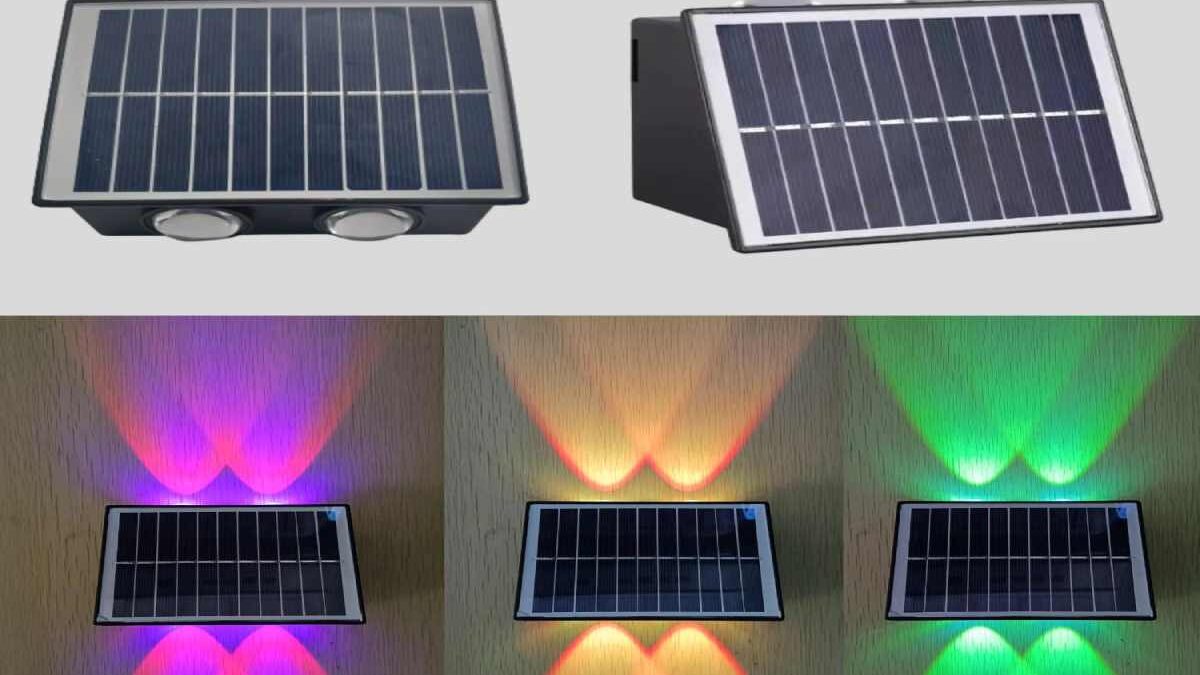

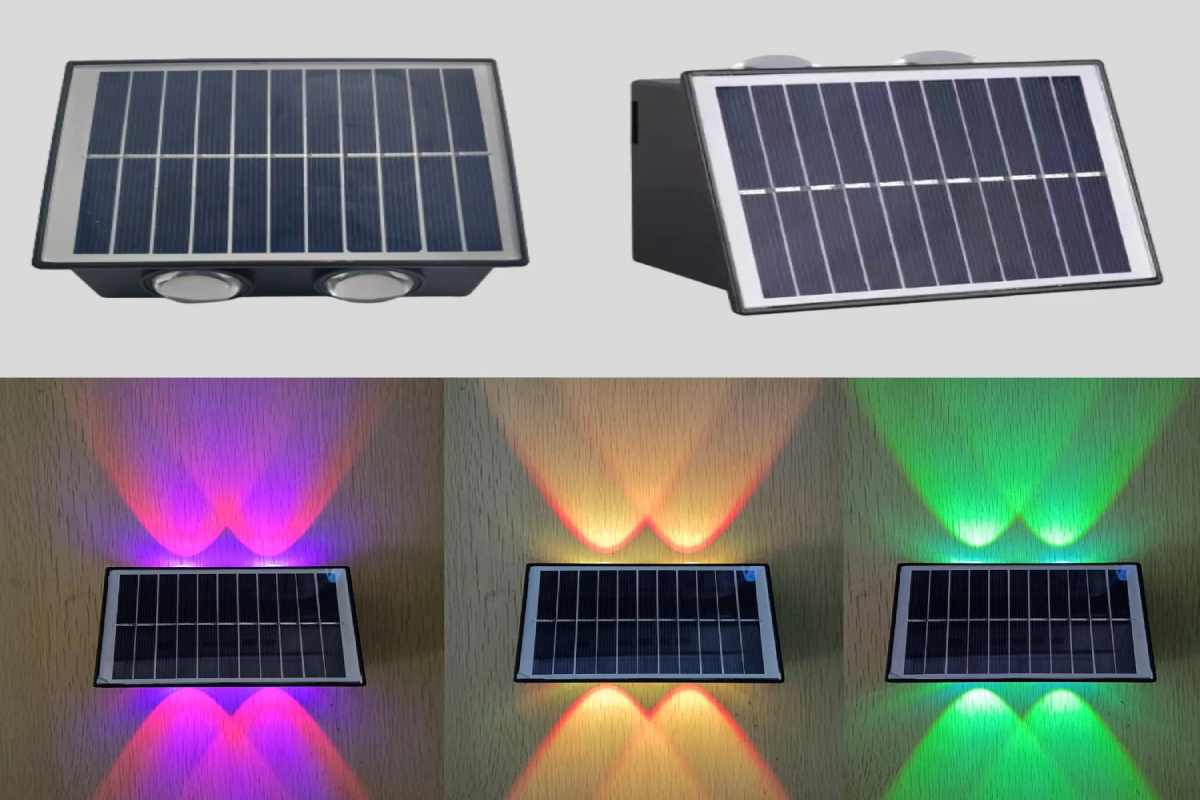
As homeowners increasingly prioritize energy efficiency and sustainable living, solar wall lights have emerged as an attractive solution for outdoor lighting. These fixtures harness solar power to provide illumination after dusk, offering a greener alternative to traditional electric models. With the added bonus of cost savings over time, their popularity is understandably on the rise.
The integration of solar wall lights into exterior design not only uplifts the aesthetic appeal of a property but also contributes to eco-friendly living practices. Below, we delve into their functionality, benefits for home security, and tips for installation and maintenance. Buy Solar Wall Lights at Festive Lights
Exploring Solar Wall Lights for Outdoor Illumination
Solar wall lights serve as a seamless blend of functionality and environmental consciousness, providing a luminous presence without tapping into the electrical grid. These devices accumulate solar energy during the day via photovoltaic cells and store it in batteries, then use this reserve to power LED lights after nightfall.
This autonomous operation means outdoor spaces can stay well-lit with minimal impact on energy bills. With advancements in solar technology, modern solar wall lights now offer brighter and longer-lasting illumination than their predecessors, ensuring reliability throughout the night.
When selecting solar wall lights, consider the lumens – a measure of light output – to ensure adequate brightness for your intended space. Placement is also vital; positioning the lights where they can receive maximum sunlight during the day will optimize their performance.
How Solar Wall Lights Enhance Home Security
Illuminating the exterior of a home with solar wall lights can significantly bolster security measures. Well-lit surroundings are a deterrent to potential intruders, as they increase the likelihood of detection and thus, reduce the risk of break-ins.
Many solar wall lights come equipped with motion sensors that activate the lights upon detecting movement. This feature not only conserves energy by lighting up only when needed but also startles intruders and alerts homeowners to unexpected activity. Some models even integrate with smart home systems to provide alerts directly to mobile devices.
To enhance home security, strategically place solar wall lights around entry points like doors and windows as well as pathways and dark corners of your yard. For a comprehensive security setup, combine them with other security features like cameras and alarms.
Solar Wall Light Installation and Maintenance Best Practices
Installing solar wall lights is a straightforward process often manageable by most homeowners. Most units are designed for easy mounting with basic tools, allowing for a quick setup without the need for professional assistance. Paying attention to the angle and orientation during installation ensures that the lights capture maximum sunlight.
Maintenance typically involves regular cleaning of solar panels to remove debris or dirt that can obstruct sunlight absorption. It’s also important to check the batteries periodically, as they are the key components that store the solar energy. Quality solar lights typically have batteries that last several years before needing replacement.
For optimal performance, follow the manufacturer’s guidance regarding placement and care. Remember to install solar wall lights at an ideal height that avoids obstruction and perform seasonal adjustments to account for the changing angle of the sun throughout the year.
Comparing Traditional and Solar Wall Lighting Options
Traditional electric wall lights have been the standard for outdoor lighting, but solar options present a compelling alternative. While electric lights depend on a constant power supply and can contribute to higher utility costs, solar lights offer independence from the grid and reduce long-term expenses.
The upfront cost for solar wall lights might be higher than traditional ones; however, the absence of wiring and reduced energy consumption translate to lower installation costs and ongoing savings. Moreover, solar lights continue to operate during power outages, maintaining security and visibility when it’s most needed.
Consumers should evaluate their lighting needs, location, and budget when deciding between traditional and solar wall lighting. Those looking to minimize environmental impact, reduce energy costs, and simplify installation often lean towards solar options, while areas with limited sunlight exposure may require the reliability of wired electric lights.
Overall, solar wall lights offer a plethora of benefits including cost savings, enhanced security, and environmental sustainability. By understanding their functions, installation methods, and how they stack up against traditional lighting options, homeowners can make well-informed decisions to light up their outdoor spaces effectively. Solar technology continues to progress, further cementing the position of solar wall lights as a sensible choice for outdoor lighting now and in the future.
Solar Wall Lights: Benefits, Installation Tips, and Security Advantages
