
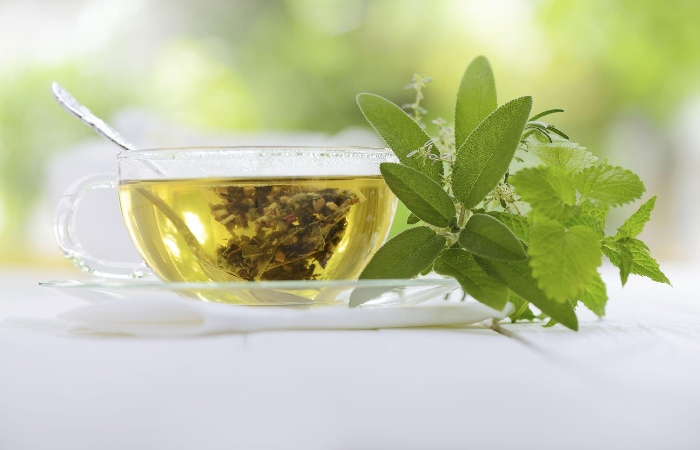
 Green Tea Write For Us: Green Tea is a type of tea ready from the greeneries of the Camellia sinensis plant that has undergone minimal oxidation during processing. It originated in China but is now famous worldwide due to its taste and numerous health benefits.
Explore Beauty & Lifestyle Write For Us Topics
Some Key Points about Green Tea
Preparation
Green tea is typically made by steeping the leaves in hot water. The water temperature should be around 75-85°C (165-185°F) to preserve the delicate flavors and avoid bitterness. Steep the tea for 2-3 minutes, although steeping times can vary based on personal preference.
Antioxidants
Green tea is rich in antioxidants, primarily catechins, known for their health-promoting properties. The most abundant and well-studied catechin in green tea is epigallocatechin gallate (EGCG). Antioxidants help protect the body against damage produced by harmful free radicals.
Health Benefits of Green Tea
 Green tea has various health benefits, although individual results may vary. Some potential benefits include:
- Boosting Metabolism and Aiding in Weight Management: Green tea has a modest impact on increasing metabolic rate and assisting with weight loss.
- Supporting Heart Health: Regular consumption of green tea has the link to a reduced risk of cardiovascular disease by improving cholesterol levels, lowering blood pressure, and keeping blood vessels healthy.
- Anticancer Properties: The antioxidants in green tea may help protect against certain types of cancer, although further research is needed to understand the mechanisms and potential benefits.
- Promoting Brain Health: Some studies suggest that green tea may have cognitive benefits, including improved brain function, attention, and memory.
- Supporting Oral Health: Green tea has antibacterial properties that can help decrease the risk of dental cracks and gum disease.
Caffeine Content
Green tea contains caffeine but is generally at lower levels compared to coffee. The caffeine gratified can vary depending on factors such as the type of green tea, brewing time, and water temperature. If you are sensitive to caffeine, you may opt for decaffeinated green tea or monitor your intake.
Varieties
Various types and flavors of green tea are available, with variations based on the region where it is grown and the specific processing methods used. Some popular styles include Japanese green teas like Sencha and Matcha and Chinese green teas like Longjing (Dragon Well) and Gunpowder.
As with any dietary or health-related information, it’s important to remember that individual responses may vary, and it’s advisable to consult with a healthcare professional or nutritionist for personalized advice.
Green tea can be a refreshing and enjoyable beverage, and its potential health benefits make it a popular choice for many tea enthusiasts.
How do I Submit a Guest Post?
Once your article meets our guidelines, you can send it to contact@glamourgenix.com. We are happy to hear from them.
After submission, our group will review it, check if the content is unique, and approve it.
1. Why Write for Us? – GlamourGenix
- GlamourGenix is a guest blogging platform that welcomes passionate writers with excellent writing skills to contribute articles.
- We provide opportunities for writers to share their knowledge and expertise with our audience.
- We welcome guest posts, sponsored posts, and regular article contributions.
- Guest bloggers are always welcome at GlamourGenix.
- We provide helpful information about guest posting opportunities, requirements, and submission procedures.
- Explore our guest posting guidelines to understand our content requirements.
- Learn how to submit your guest post and contribute to GlamourGenix.
2. Guidelines for Article Writing – GlamourGenix
- Your article must be 100% free of plagiarism and can only be published on our blog.
- The content should be unique, original, and valuable to our audience.
- Your article can be between 600 and 2,000 words.
- Remove any spelling or grammatical errors.
- The article must be clear and divided into sections using H1, H2, and H3 headings with essential subtitles.
- Submit your article in an MS Word or Google Docs document as an email attachment.
- Be open to accepting improvements and changes suggested by our editors.