
What does life look like after addiction treatment? It’s a question that deserves just as much attention as the treatment itself. From rebuilding relationships and rediscovering hobbies to learning how to manage stressful situations, recovery can involve making changes in almost every area of your life.
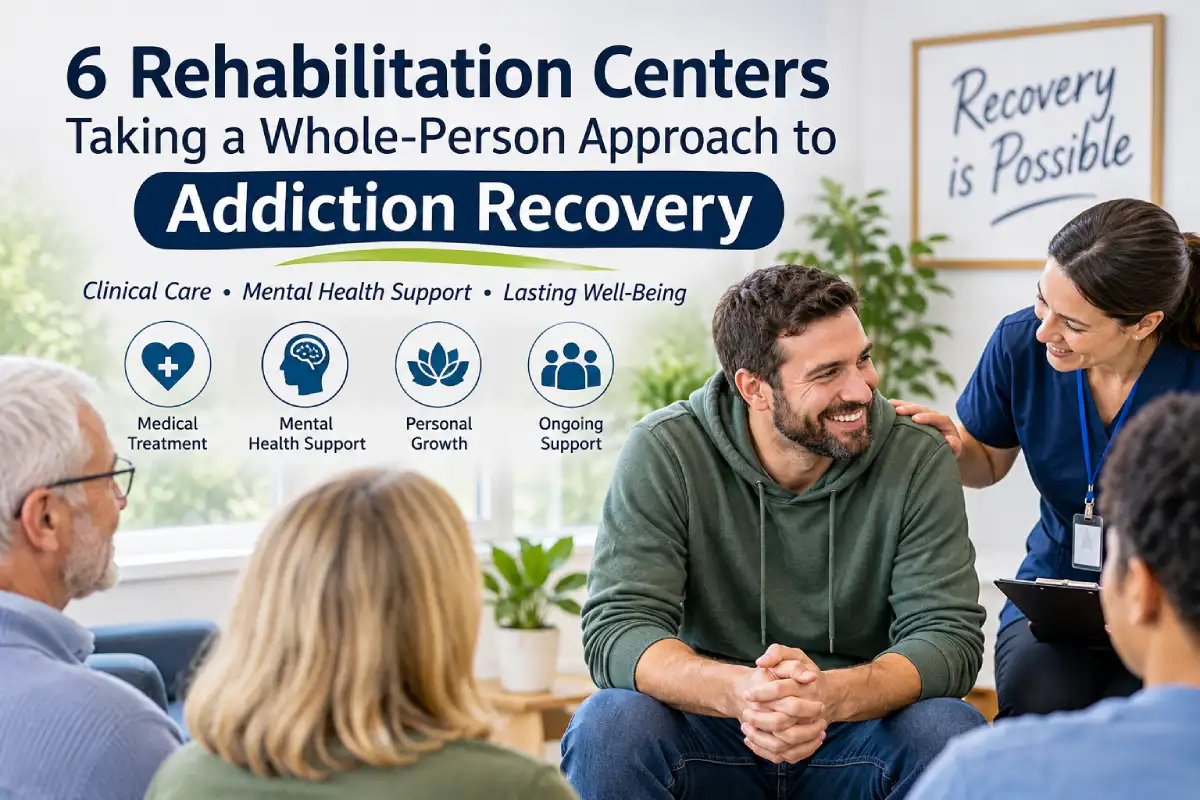
A whole-person approach to rehabilitation acknowledges these wider needs, combining clinical treatment with opportunities for personal growth and improved well-being. If you’re exploring your treatment options, here are six providers worth considering.
- Castle Health
Castle Health recognizes that no two people experience addiction in the same way. Its network of specialist rehabilitation centers across the UK and Europe provides personalized treatment that considers each person’s physical, psychological, emotional, and social needs.
Through castlehealth.com, you can explore treatment services that incorporate:
- Medically supervised detoxification where necessary.
- Individual and group therapy.
- Support for co-occurring mental health conditions.
- Family therapy and continuing recovery support.
By addressing the wider circumstances surrounding addiction, Castle Health helps patients develop healthier habits and build a foundation for long-term recovery.
-
Priory
At Priory, addiction treatment extends beyond managing the physical effects of substance dependence. Patients are encouraged to explore their emotional well-being, understand their triggers, and develop more constructive ways of responding to difficult situations.
Depending on the treatment program, support can include:
- Cognitive behavioral therapy (CBT).
- Mindfulness and relaxation activities.
- Nutritional support and physical activity.
- Family support and aftercare.
The combination of clinical and complementary therapies encourages patients to give different aspects of their health the attention they deserve.
-
Nightingale Hospital
Located in central London, Nightingale Hospital specializes in mental health and addiction treatment. Its multidisciplinary approach is particularly relevant for people experiencing additional psychological difficulties alongside addiction.
Its treatment services include:
- Individual psychological therapy.
- Specialist psychiatric care.
- Group-based addiction treatment.
- Relapse prevention strategies.
Patients can benefit from exploring the relationship between their mental health and addictive behaviors within a supportive clinical environment.
-
Rehab 4 Addiction
Rather than operating as a rehabilitation center itself, Rehab 4 Addiction helps individuals and families find suitable treatment facilities. This can be particularly helpful if you’re unsure what kind of recovery environment would suit you.
The service can help you explore:
- Residential rehabilitation programs.
- Outpatient treatment options.
- Facilities offering complementary therapies.
- Psychological and emotional support services.
Its referral-based approach allows individuals to consider their personal circumstances when choosing a treatment provider.
-
PROMIS
PROMIS offers personalized addiction and mental health treatment through its clinics in London and Kent. Its approach considers how past experiences, emotional difficulties, and everyday pressures can influence addictive behaviors.
Treatment may incorporate:
- Individual psychotherapy.
- Complementary wellness activities.
- Support for trauma and mental health concerns.
- Nature-based activities at its countryside location.
Patients are encouraged to rediscover interests and develop healthier routines alongside their clinical treatment.
-
UKAT
UK Addiction Treatment Centers (UKAT) combines structured addiction treatment with activities designed to support wider personal well-being. Its network of rehabilitation facilities offers different environments in which individuals can focus on recovery.
Depending on the facility, programs can include:
- Individual and group counseling.
- Mindfulness and complementary therapies.
- Physical wellness activities.
- Aftercare and ongoing recovery guidance.
By encouraging patients to develop practical life skills alongside addressing addiction, UKAT helps individuals prepare for the challenges and opportunities that come with life beyond rehabilitation.
6 Rehabilitation Centers Taking a Whole-Person Approach to Addiction Recovery